Country Profile
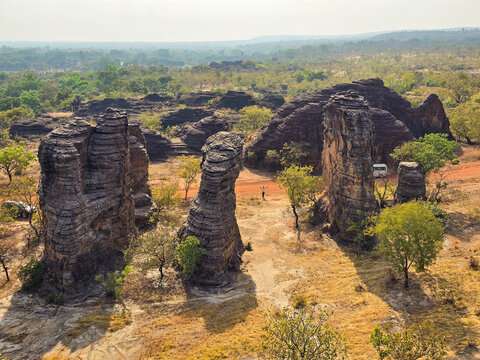
Burkina Faso, one of the world’s major gold producers, is known for its vibrant arts and cultural heritage. Yet, decades of underdevelopment and poor governance have left the landlocked Sahelian state with weak infrastructure, lacking public services and a high vulnerability to conflict. The country gained full independence from France in 1960.
Politics: Military Rule and Enduring Instability
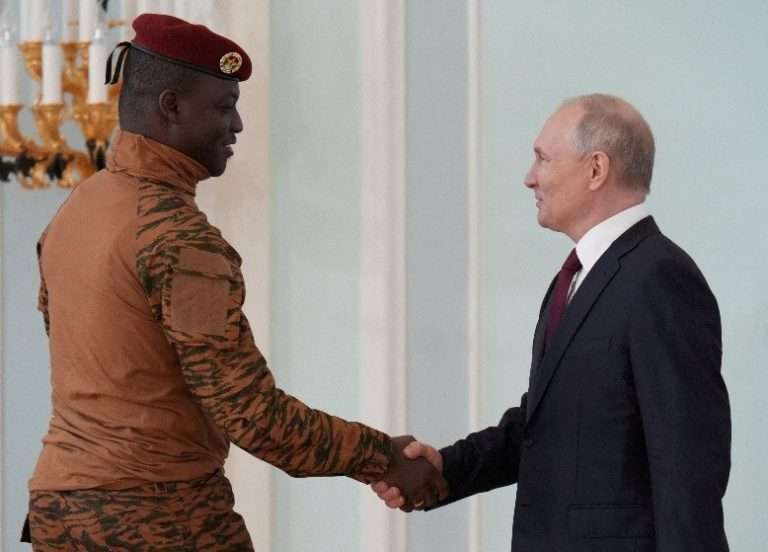
Burkinabe politics has long been characterised by recurrent coups and authoritarian military regimes. The most recent coup in 2022 – the second in 9 months’ time – brought Captain Ibrahim Traoré to power. He has since been ruling by decree, reorienting the country’s foreign policy by severing ties with France in favour of a closer alliance with Russia. His powerful anti-imperialist and anti-French rhetoric has resonated strongly among younger Burkinabe and has bolstered his popularity, both domestically and abroad.
Security: Increasing Violence Amid Disinformation
Since the first deadly terrorist attack on the Splendid Hotel in Ouagadougou in January 2016, Burkina Faso has been confronted with an expanding insurgency from terrorist groups, led primarily by Jama’at Nusrat ul-Islam wa-Muslimin (JNIM). As of 2025, the government controls less than half of its territory, having lost much of the country’s North and East to the militants. The conflict has caused a dire humanitarian crisis, causing more than 20,000 deaths and displacing over 2 million people. Today, Burkina Faso is considered to be the epicentre of global terrorism.
Reliable data on violence are increasingly difficult to obtain. Traoré decision to end Western partnerships in favour of an alliance with Russia has yielded mixed outcomes with various reports indicating little or no progress whilst others also point to a transformational progress under Capt Ibrahim Traore.

