
Last updated: December 11, 2025

A former British colony, Ghana became the first sub-Saharan country to gain independence in 1957. Its population of 35 million comprises mainly of Christians (80%), with a sizable Muslim minority (18%). Long plagued by coups and violence, the country has enjoyed relative stability and consistent economic growth since its transition to democracy in 1992. Despite this, poverty remains high and youth unemployment continues to be a pressing issue.
Politics: Long-Term Stability Despite Governance Challenges
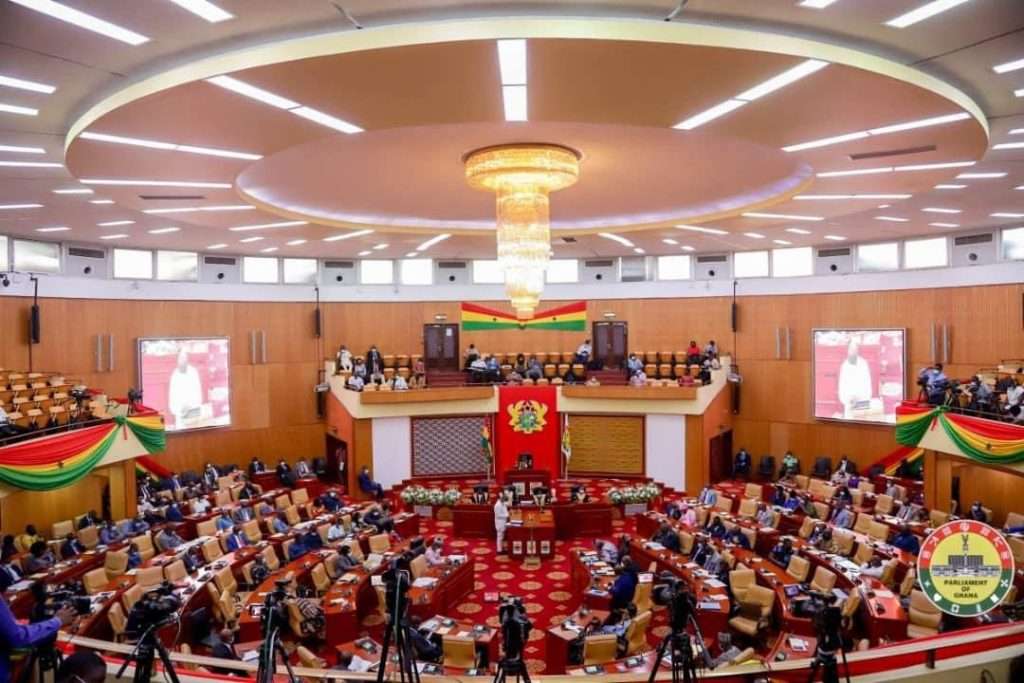
After more than a decade of coups and counter-coups from 1966, Ghana transitioned to a democracy in 1992 under Jerry John Rawlings. The country has since witnessed nine consecutive peaceful transfers of power, alternating between its two main political parties – the New Patriotic Party (NPP) and the National Democratic Congress (NDC). Though it is often regarded as a beacon of democracy in an otherwise volatile region, Ghana’s politics is not without its challenges. In recent years, trust in state institutions has declined amid continued economic hardship and corruption scandals.
Security: A Rising Threat in the North
Since the 1994 Konkomba-Nanumba conflict, Ghana has not seen any major internal conflicts. Nonetheless, it is surrounded by countries that have been affected by the Sahelian insurgency, which is increasingly spreading from the interior to the littoral states. Even though Ghana has not suffered from an attack, there is an increasing risk that the conflict in neighbouring Burkina Faso will spill over. Evidence is mounting that JNIM militants cross the border to Ghana to restock supplies and recruit members. The retreat of the Sahelian states from ECOWAS has undermined transnational counterterrorism cooperation and the status of the Accra Initiative, launched to contain spillover from the Sahel conflict, is currently unclear. Although President Mahama has pledged to revive the initiative, there is yet to be real progress.
There are several low and medium-level internal threats to Ghana’s security. The Northern regions are becoming increasingly vulnerable to farmer-herder conflicts, which are increasing in intensity and frequency, with climate change as exacerbating factor. Violent incidents related to illegal mining (galamsey) is also a concern, resulting in clashes both among miners and between miners and security forces. Finally, a variety of protracted interethnic conflicts continue to sporadically erupt into violence, which highlights a need to tackle their underlying drivers to achieve sustainable reconciliation.

